


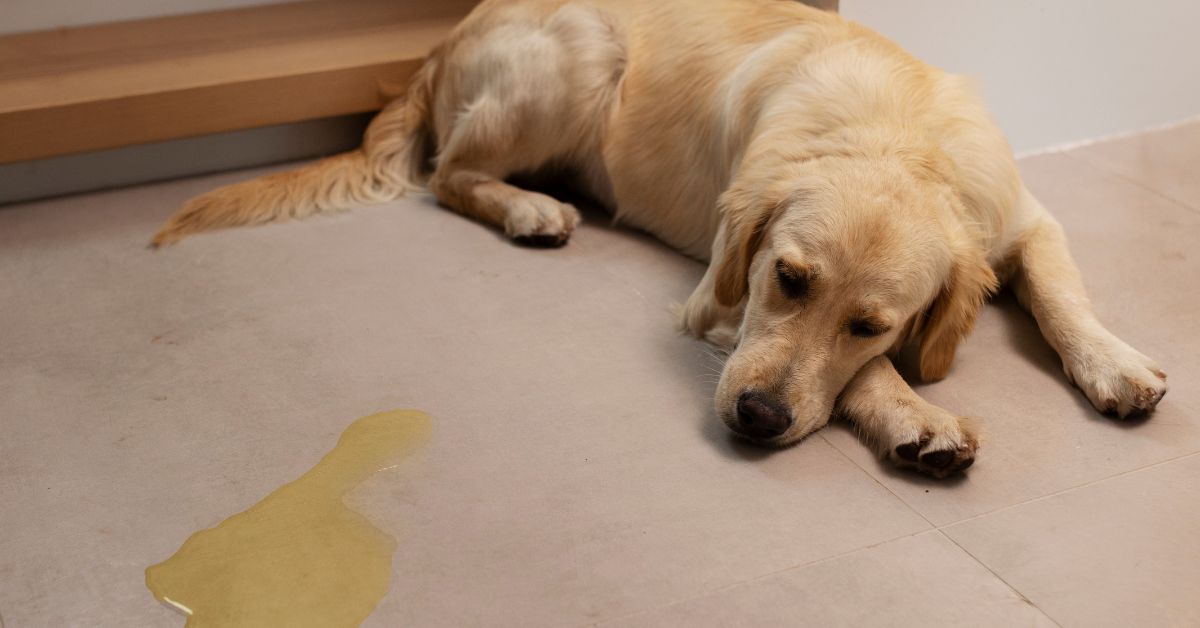
As a dog owner, noticing unusual symptoms in your pet can be worrying. One such concern is when a female dog starts leaking brown fluid from her anus. This situation can occur for a variety of reasons, ranging from simple digestive issues to more serious health problems. While it’s common to feel alarmed, understanding the potential causes of this issue can help you address the problem in a timely manner. In this article, we’ll explore the different reasons why your female dog might be leaking brown fluid and what steps you should take to ensure her well-being.
What the Causes of Brown Fluid Leakage in Female Dogs
Brown fluid leakage from your dog’s anus can be attributed to several causes. One of the most common culprits is anal gland issues. These glands, located near your dog’s anus, can become blocked or infected, causing discomfort and fluid leakage. If not properly expressed, the glands can become infected and release a brown or foul-smelling fluid.
Another reason for leakage is infections or inflammation in the anal region. Make Korean Corn Dogs, like humans, can experience bacterial or fungal infections that may cause unusual discharge. Dietary factors, including low fiber intake or food allergies, can also lead to gastrointestinal upset, affecting the anal glands. In some cases, internal parasites, such as worms, can contribute to the issue.
More serious health concerns like anal fistulas (abnormal openings) or rectal tumors can also result in abnormal discharge from the anus. These conditions usually require immediate veterinary attention.
Symptoms to Watch for Alongside Brown Fluid Leakage
In addition to the brown fluid, you should keep an eye out for other symptoms. Itching or discomfort around the anus may indicate that your dog is experiencing pain or irritation from impacted anal glands or an infection. If your dog is frequently straining, appears to be in pain while defecating, or has a foul odor coming from the area, these are also signs of a more serious issue.
Changes in behavior are another red flag. If your dog becomes unusually lethargic, refuses to eat, or seems excessively uncomfortable, it’s crucial to consult with a veterinarian as soon as possible. Loss of appetite and weight loss are additional symptoms that should not be ignored.
When Should You Consult a Veterinarian?
It’s important to know when to seek professional help. Persistent leakage of brown fluid, especially when accompanied by other symptoms like pain or changes in behavior, could be a sign of a serious issue. Accompanying pain or discomfort is an immediate signal that your dog’s condition is more than just a minor issue.
If the leakage is accompanied by weight loss, changes in appetite, or changes in stool consistency, a vet visit is highly recommended. Lethargy or any significant shift in Dog Crossed the Rainbow Bridge levels should also prompt you to seek veterinary advice.
How Can You Treat Your Dog’s Brown Fluid Leakage?
Treatment for brown fluid leakage depends on the underlying cause. One of the first things a vet may do is express the anal glands to relieve the pressure and prevent infection. This is often a simple, routine procedure that can be done at the vet’s office.
If an infection is present, antibiotics will likely be prescribed. For dogs with digestive issues, changes to their diet, such as increasing fiber intake, can help prevent future problems. Parasite treatments may also be necessary if the cause is linked to worms or other internal parasites.
In more severe cases, such as those involving anal fistulas or rectal tumors, surgical intervention may be required. These conditions are more complex and need immediate medical attention Colorful Feather.
Preventive Measures to Avoid Future Leakage
Once the problem is addressed, it’s important to take steps to prevent it from recurring. Regular vet check-ups are essential to monitor your dog’s anal health. Routine anal gland maintenance can help avoid blockages. If your dog is prone to these issues, your vet may recommend regular expression of the glands to keep them functioning properly.
A proper diet with high fiber content can help maintain healthy bowel movements, which can prevent anal gland issues. Keeping your dog active through regular exercise is another important preventive measure. Healthy dogs are less likely to experience anal gland problems, as physical activity supports overall health.
FAQ’s
Q: Why is my female dog leaking brown fluid from her anus?
A: Brown fluid leakage could be caused by blocked or infected anal glands, digestive issues, parasites, or more serious conditions like anal fistulas or tumors. Consulting a vet is recommended.
Q: Can I express my dog’s anal glands at home?
A: While it’s possible to express your dog’s anal glands at home, it’s best to seek professional help, especially if you’re unsure of how to do it safely. A vet or groomer can assist.
Q: What are the signs of an anal gland infection in dogs?
A: Signs of infection include abnormal discharge (like brown fluid), itching, discomfort, a foul odor, and changes in your dog’s behavior, such as lethargy or loss of appetite.
Q: Is it common for dogs to leak brown fluid?
A: Occasional leakage can happen, but if it’s frequent or accompanied by other symptoms, it’s important to have your dog examined by a vet to rule out any serious conditions.
Q: How can I prevent anal gland problems in my dog?
A: Regular vet check-ups, a balanced diet with enough fiber, and regular exercise can help prevent anal gland issues in dogs. Your vet can also recommend routine anal gland expressions if necessary.
Conclusion
If your female dog is leaking brown fluid from her anus, there could be various underlying causes, ranging from anal gland problems to infections or more serious health conditions. Identifying the root cause and taking prompt action can help resolve the issue and prevent further complications. Whether through simple home remedies or veterinary treatment, there are effective ways to manage the situation and restore your dog’s health.
Always consult with a veterinarian if you’re unsure or if symptoms persist. Early intervention is key to ensuring your dog remains happy and healthy.
